
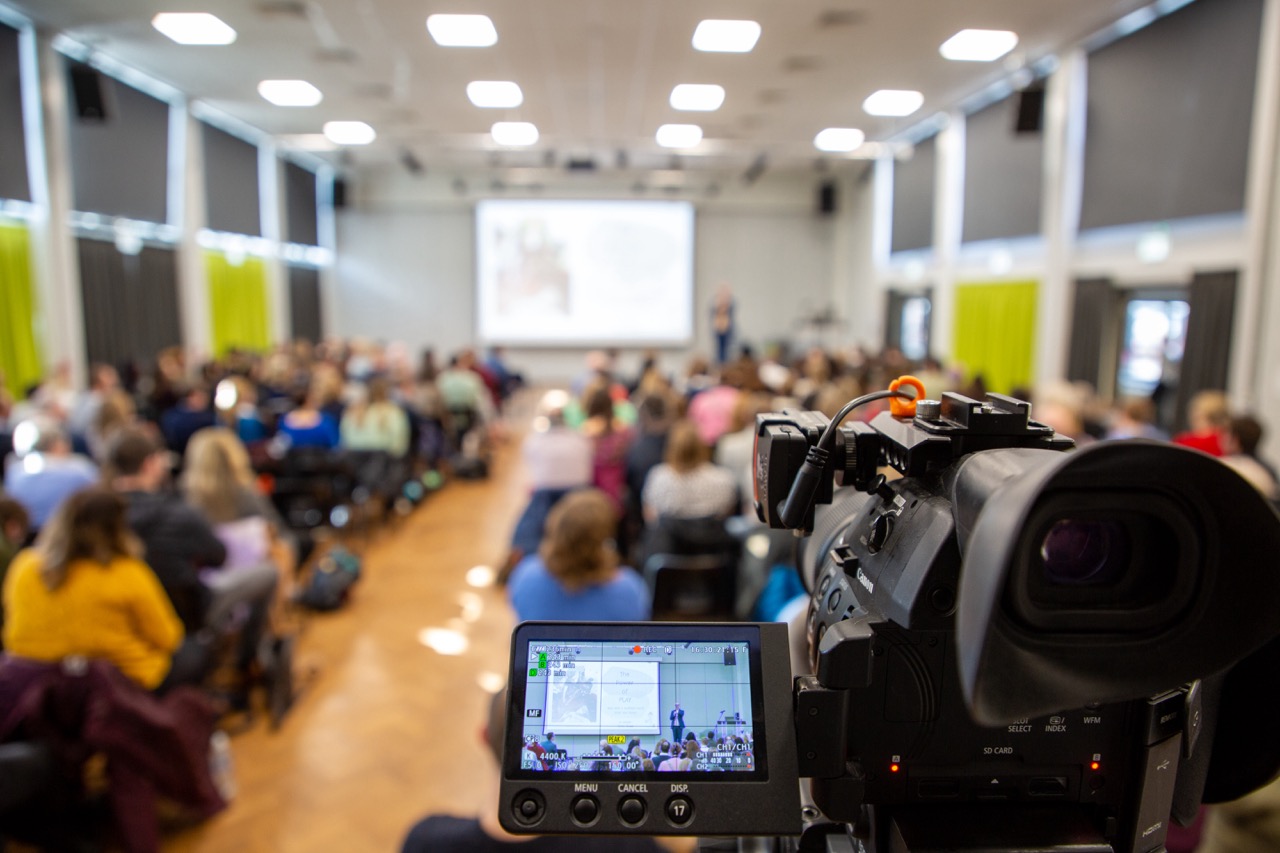
Why Video is Essential for Education
The education sector is more competitive than ever. Whether you’re a school, college or university, you’re under constant pressure to attract top-tier students and recruit exceptional staff, to make sure that you secure the funding needed to deliver an outstanding learning experience.
High-quality, inspiring video content sets you apart. It captures attention, communicates your values, and brings your story to life in a way that no other medium can.
Why the education sector chooses to work with VideoHQ
The core values which drive how we work
Our approach produces authentic video content which is designed to capture and keep the attention of your audience.
Tell your own story
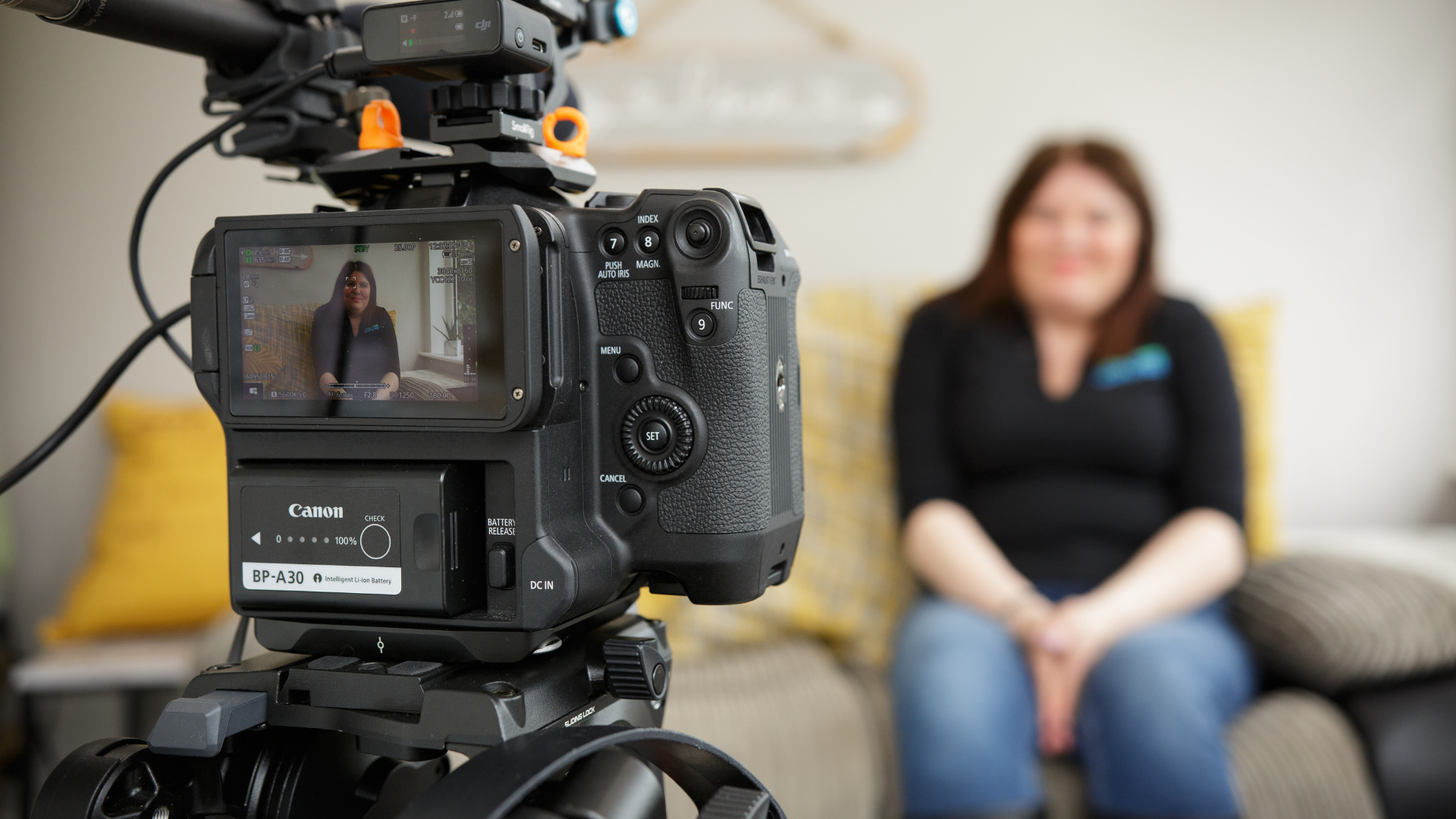
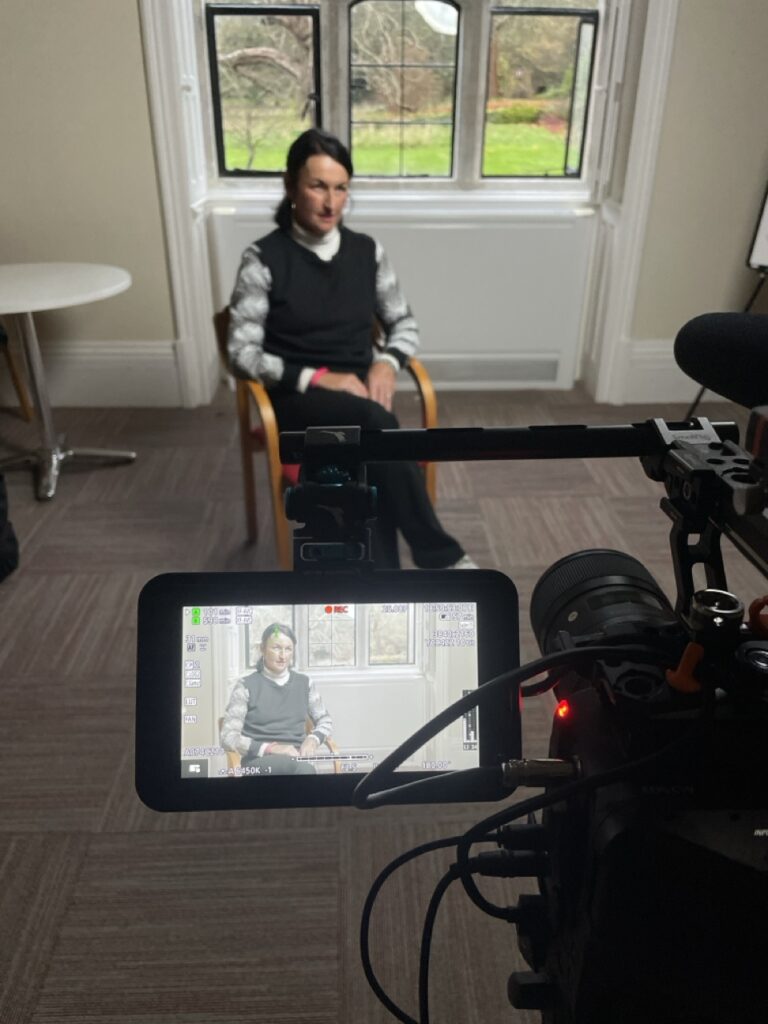
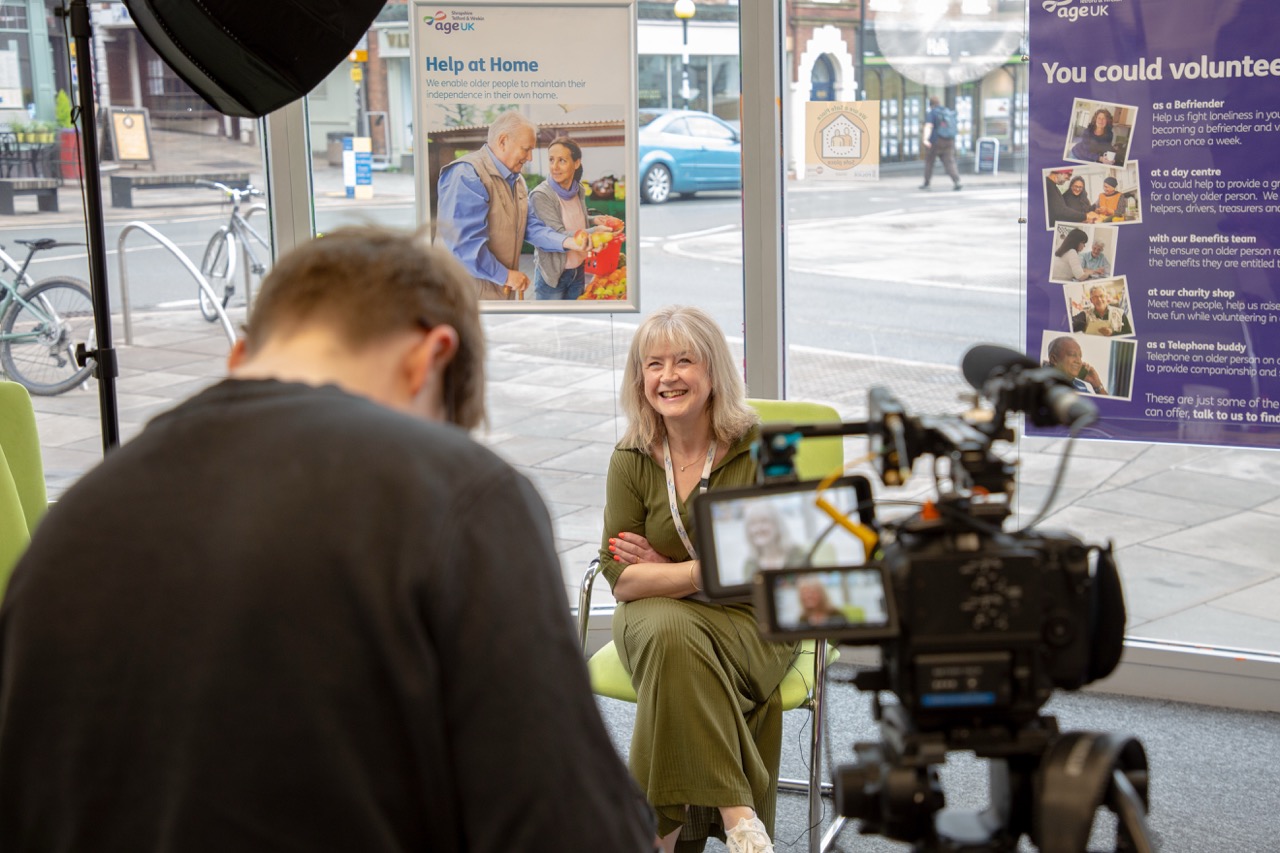
Whether interviewing your staff, students, or parents, our conversational interviewing skills naturally bring your story to life.
Audience focussed
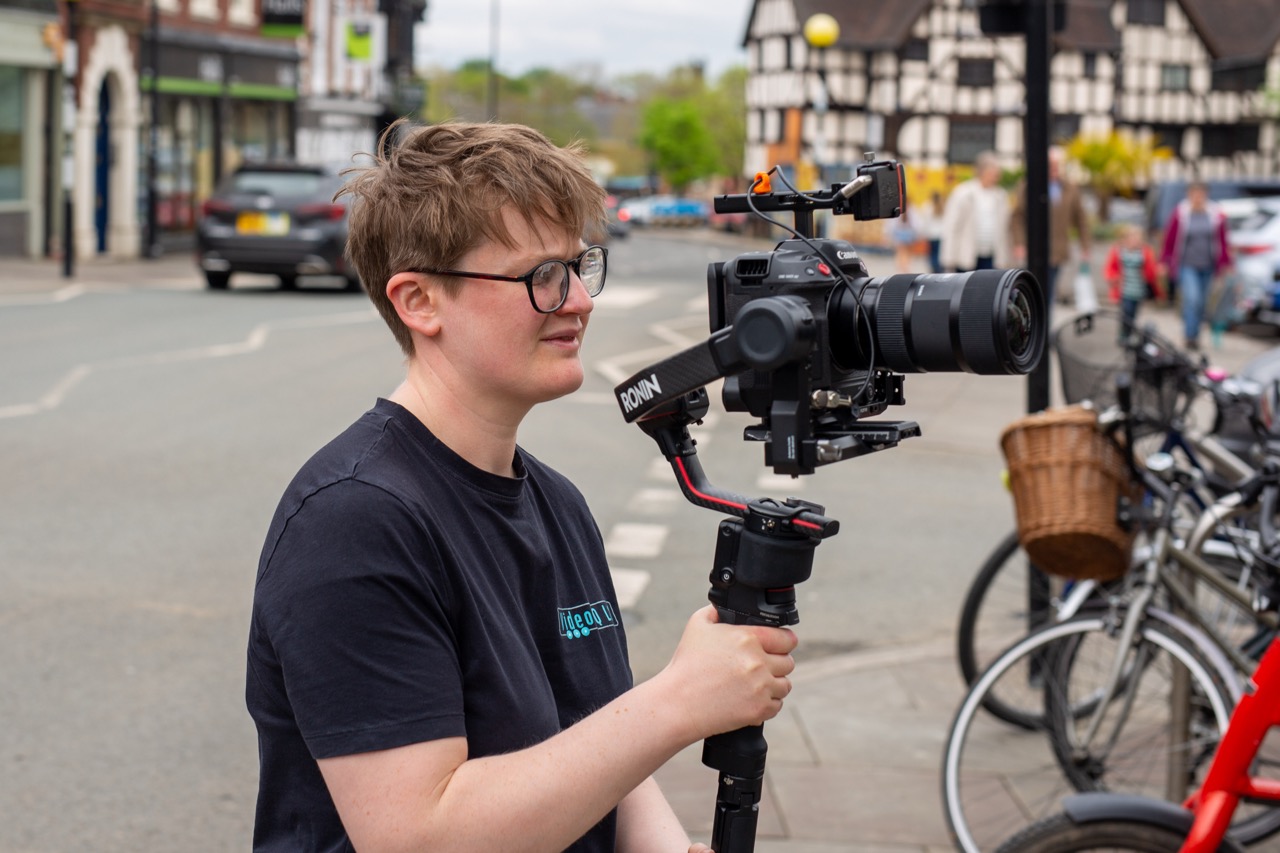
VideoHQ has journalistic roots, so everything is done with the target audience in mind.

Achieve your goals
We’re not about making videos that look great but have no substance; our clients get both.
Video Services for Education Providers
Video interviews
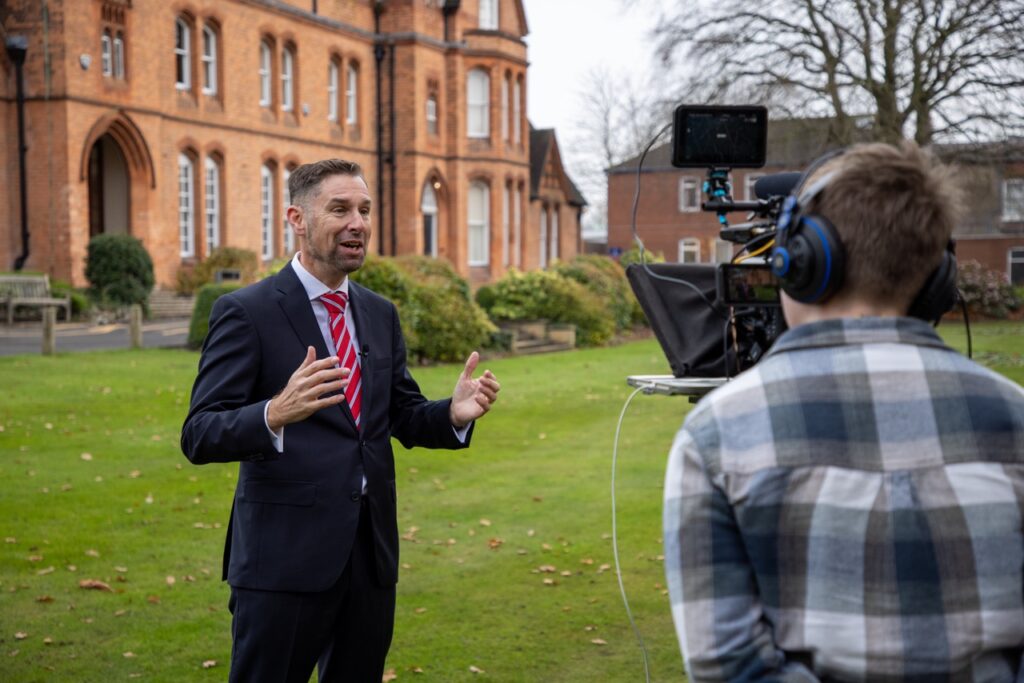
Compelling video interviews to promote your education provision
Promotional videos are the first introduction to your institution that you’d want a prospective student or parent to watch.
They sit front and centre on your website homepage, and feature your current staff and students authentically telling the story of the educational experience you provide.
These videos get more people to progress onto the next stage of your admissions process, such as booking a personalised tour or attending an open event.
Student testimonials
Share your student’s journeys with Testimonial Videos
Student and parent testimonial videos can truly set you apart from other educational institutions—especially as so few are producing them to a high standard.
While promotional videos serve as a compelling introduction to your organisation, testimonials are exceptionally powerful for conversion. Hearing directly from real students or parents adds an authenticity that resonates deeply with your audience.
Their honest testimonials make the content relatable and build a strong sense of trust—something no scripted message can replicate.
Share these videos with prospective students and parents after they’ve attended an open event, and they’re far more likely to connect with and believe in the messages they heard on the day.
And if one of your key messages is how well you prepare students for success beyond your institution, then showcasing success stories from former students is a powerful way to add credibility. These case study videos bring your outcomes to life and offer real proof of the impact you have.
Recruitment Videos
Attract the right talent with Recruitment videos
You don’t need me to tell you that recruiting and retaining teachers is incredibly challenging right now.
With a wide range of opportunities available to them, the best teachers can afford to be selective—so it’s crucial that you clearly communicate why your school is the right choice.
Authentic interviews with current staff are a powerful way to do this. Prospective teachers are far more likely to trust the words of fellow educators sharing their genuine experiences than a headteacher making the same claims (no offence—but what head wouldn’t say their school is a great place to work?).
Videos we have created for Education Providers
Grange Primary School produced a promotional video to strengthen its reputation among local parents, following improvements to its behaviour policy and curriculum.
St Augustine’s College of Theology wanted to boost student numbers across all courses, so I produced a promotional video with the student voice at its core.
Teacher testimonial videos to attract ambitious staff to Trust
The Marches Academy Trust is committed to staff career development, and so commissioned a series of teacher testimonial videos to attract ambitious educators.

Step 1: Discovery call
Share what you want the video content to achieve, and the key messages it needs to cover.

Step 2: Proposal
We’ll send across a bespoke proposal which outlines what videos we recommend for you.

Step 3: Pre-production meeting
We’ll develop the video ideas outlined in the proposal, and start actioning those plans.

Step 4: Final planning
We’ll have a final meeting to go over the filming day logistics to ensure everything runs smoothly.

Step 5: Filming
One or more days on-site filming with you to capture the footage.

Step 6: Editing
We’ll produce a first draft of the video for you to review.

Step 7: Revisions and approval
One round of revisions is included to allow you to make changes to the final video.

Step 8: Delivery
We can either provide detailed instructions on how to upload the videos, or we can manage that for you.
What my clients have said….
Idsall School Headteacher Michelle King shares what it was like working with VideoHQ to produce their school website and social media videos.
Hannah recently supported us with the creation of a promotional video for one of our schools. From the initial stages of planning to the final delivery, Hannah demonstrated an exceptional level of professionalism, creativity, and dedication.
She took the time to thoroughly understand our vision and goals for the promotional video, ensuring that every aspect aligned seamlessly with the school’s values and ethos.
The promotional video and social media clips she produced have become invaluable assets in promoting the school to a wider audience.
Hayley Alldridge, Marches Academy Trust
The videos have gone down brilliantly in the community (…) the amount of social media likes that we’ve had and new children joining the school from seeing the video.
Charlie Summers, Grange Primary School
Frequently Asked Questions
I can take two different approaches for drafting of case study interview questions. When a marketing manager already knows the interviewee inside out, I read through their drafted questions and make suggestions. But in most cases I pre-interview the contributor for them, and produce a video brief and questions list you can review and check that everything is being covered.
My office is in Longton in Stoke-on-Trent. This is my base for the vast majority of my pre-production and editing work. However I film on-site for clients across the UK. This sees me locally cover the counties of Staffordshire, Cheshire, Derbyshire and Shropshire, as well as going further afield to shoots in London, Kent, Birmingham, Manchester, Leeds and more.
I always aim to reflect both the Trust’s ethos and each individual school’s identity in videos filmed across multiple sites.
Some Trust marketing directors are happy for me to work directly with each school, while others prefer to be involved throughout the production process.
Wherever you sit on that spectrum, I’ll ensure the final videos are fully aligned with your Trust’s branding and identity.
Generally there’s two pre-production meetings: one with yourself as my client, finding out what messaging you want for the case study; and one with the interviewee to explain the process.
Then there’s the filming day, after which you’ll receive a first draft of the video (s). There’s then a round of revisions included to make any changes before you send to your client, and then another round of revisions if they want to make any changes to it.
After that I subtitle the videos, produce a video thumbnail, and help you get it onto your chosen platforms.
Generally my case study video packages include a main version of the video (around 2-3 minutes) which tells the full story of the project. I also produce some shorter social media clips, as well as subtitles and thumbnails for the videos.
But let me know if there’s something else you require; in the past, I’ve also produced interview transcripts, professional edited photography, and b-roll footage libraries.
Depending on logistics, case study videos are turned around in about 4-8 weeks – and can be faster if everyone is really engaged in the process. The part which can add time is finding a filming date which works for everyone. But once you’ve got that, I normally deliver a first draft in about two weeks, and work on any requested amends to videos very quickly.
I’ve found that staff testimonials are a powerful way to connect with potential candidates who are a great fit for your organisation or Trust. They’re relatable, authentic, and build trust.
One approach that works particularly well is capturing these testimonials at events like conferences, away days, or training sessions – giving viewers a direct insight into how you invest in your team.
You’ll want to see some examples of their previous case study video work. As well as making sure the video and audio quality are solid, does it feel like the video tells a good story? You’ll be trusting the videographer to select the best clips from the interview as part of the editing process, so you need to trust they’ll make the right content decisions.
Also ask them about their revisions process (I include two full rounds of revisions) and their standard turnaround time for a first draft (mine is around two weeks from filming, but that may vary at busier times of the year).
It changes my approach in two key areas: the focus on the audience, and putting contributors at ease. The audience is at the heart of every journalistic decision, from what stories you cover to how you present them. So when I’m producing videos for my clients, one of the first questions I ask is ‘who is your audience, and how are you currently reaching them?’ My videos are fully focussed on getting your specific audience to take the actions you want them to after watching the video.
Secondly, I know most people feel uncomfortable on camera. When I was a journalist at BBC Radio Stoke and BBC Radio Shropshire, I had to walk up to people on the street and quickly get them on board with speaking to me and contributing to a radio programme. When producing case study videos I work hard to explain the process, relax contributors, and create a conversational interview experience which helps them to tell their story.
You want the answers to be descriptive – no ‘yes’ or ‘no’ responses!
When I was a BBC journalist, I was taught a system called TED – ‘Tell, Explain, Describe’ – these are great verbs to kick off an interview question which naturally leads to more detailed responses.
Absolutely! Many of the videos I produce are to be played to a crowd of people – whether that be at a conference, or a large charity fundraising event.
When I know this is the intended use, I create a version of the final video which has subtitles burned in (in your brand colours and font, of course).
This ensures that no matter what the speaker quality is like on the day, your message still comes across clearly.
You’ll also get a version of the video without subtitles which you can use on your website.
I find that giving interview questions to the client before the shoot can make them over prepare, and come across quite wooden and scripted. The best approach is to pre-interview them and generally ask them about the topic, so they get a feel for the interview angle. This makes the actual filmed interview more conversational.
Generally around an hour: the amount of time I spend on-site, and the amount of time I need the client present are two different things, and I work hard to minimise disruption to their day.
It normally takes around 45 minutes for me to set up the filming equipment, during this time the client can be doing their own work. The interview itself takes around half an hour, and then it’s good to have some time to film action ‘b-roll’ which helps to illustrate the story.
Generally my case study video projects cost around £2000 – £3500 (no VAT to pay), and this varies depending on travel costs and final outputs required.
Timelines vary depending on the scope of the project, and I’ll always do our best to work around your deadlines.
In the past, I’ve booked filming with as little as a week’s notice – right through to nearly a year in advance!
While I do prefer a bit of warning where possible, feel free to get in touch even if you’re on a tight schedule.
From there, I’ll edit a first draft of the video(s) for you to review, and there’s a round of revisions included.
The editing and revisions process tends to take 1-4 weeks, depending on how quickly you can get your feedback across to me.
It obviously varies depending on the scope of the videos you’re looking to produce, but I think you should start conversations about charity fundraising appeal videos at least three months in advance of the campaign launch date.
There might be one-off events happening in the run up to the appeal which you want to capture, or there might be people you want to interview for the video who have limited availability.
Additionally, there may be some parts of the videos, such as case study interviews with vulnerable service users, which require a longer approval process.
Giving yourself at least three months to produce your campaign video means you’ve got plenty of time to overcome any obstacles.
I have an Enhanced DBS check which I can share with the school when filming with them. I work within the safeguarding policies of the individual schools, and always check to make sure filming consent forms have been signed before filming begins.
As a former BBC journalist, in my experience it’s all about making the interview conversational. Don’t give them the questions in advance as they’ll likely over prepare. Keep great eye contact (don’t just keep looking at your next question), and ask them follow up questions about points they’ve mentioned.
Firstly, if you’ve got a great relationship with your client, you might be surprised by just how willing people are to help you out!
But the key is to get the timing right (don’t ask when they’re busy) and make it as easy as possible for them to feature – like sending out a professional videographer who’ll make it a simple and relaxed experience for them.
I’ve written a blog about how to ask a client to do a video testimonial, which includes an email template for asking your client to do you a video testimonial.
I understand that sometimes there’s serious trust and safeguarding concerns to overcome when arranging case study interviews with vulnerable charity service users.
I’ve got many years of experience as a BBC journalist, so not only am I adept at making people feel comfortable on camera, but I understand the delicacy required in these situations.
I’m also enhanced DBS checked, and this can be provided in advance.
It’s best to do some sort of a pre-interview with the interviewee, whether that’s in-person, over-the-phone or on a video call. Chatting about the video topics in advance helps put them at ease about what you’ll be asking, whilst giving you an idea of what they have to say.
I regularly conduct pre-interviews on behalf of my client.
Staff and students don’t have to wait until the filming day to get involved – they can play a part in the pre-production process too.
While I’d usually hold pre-production meetings with members of the Senior Leadership Team and marketing directors, I can also run a messaging meeting with a wider group, including staff and student representatives.
In this session, we explore what makes your provision exceptional, what sets it apart, and what key messages need to be included in the video.
This approach helps ensure the final film genuinely reflects the whole school community – and gets everyone engaged and invested well before the cameras start rolling.
For one project for Newbridge Prep School, I even asked the children to tell me what they love about the school as part of a creative writing lesson – and these answers were used to create the script for the promotional film!
As part of working together, I can provide transcripts of the raw case study interviews we conduct with your service users.
That way, you’ve got a wealth of different quotes you can use in your other fundraising materials and grant applications – rather than just the best quotes which make it into the final video.
Video offers a clear and engaging way to share important messages – whether it’s a leadership update, policy change, or new community initiative. It helps ensure your message is consistent, accessible, and easy to understand.
For larger organisations, it also removes the need to visit multiple sites, saving time while keeping communication consistent across your whole team.
Absolutely! I tailor your video content to suit the platforms where your audience is most active.
For example, a full-length case study video might sit on a dedicated page of your website, providing in-depth insight.
From that, I can also create shorter clips – ideal for social media, blog posts, or e-newsletter inserts.
I can also capture still photography during the shoot, and produce written transcripts of interviews for you to use in marketing copy.
It’s not just about reposting the same video everywhere – it’s about creating content that’s purpose-built for each platform.
Yes! You can get absolutely loads of content from one filming day, and I often securely store the raw footage for my clients so it can be re-versioned at a later date.
I want you to get the most out of your investment and time spent preparing the filming session, and this is a great way of doing that.
Got any questions?
Get in touch with your questions and we will come back to you as soon as we can.