
Raise more money and energise your campaign with a video that has your cause at its heart
As a charity, you’ll know that some of the biggest challenges to raising money are lack of awareness, limited budgets, and donation fatigue.
Depending on where they spend their time online, your donors are being asked for money tens of times a day. From social media to direct marketing, it’s tough for charities or fundraising efforts to stand out.
Whether as part of a year-long campaign or a one-off fundraising event, a fundraising video is a brilliant way of breaking through the din. It beams a quick, concise but powerful “pitch” for your cause directly to your audience, plus it’s easy to engage with and share on social media.
Why charities choose to work with VideoHQ
The core values which drive how we work
Our approach produces authentic video content which is designed to capture and keep the attention of your audience.
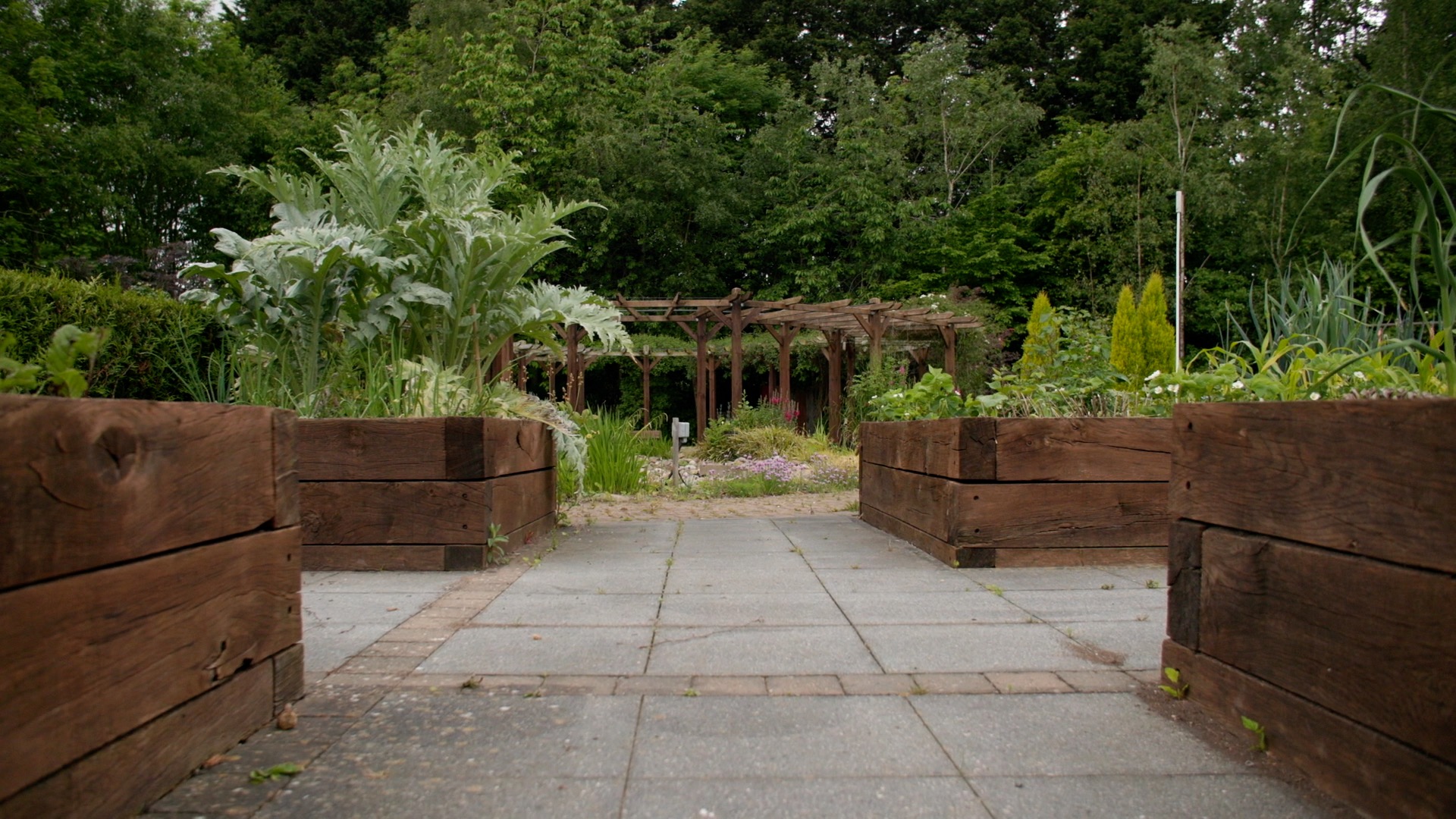
Tell your own story
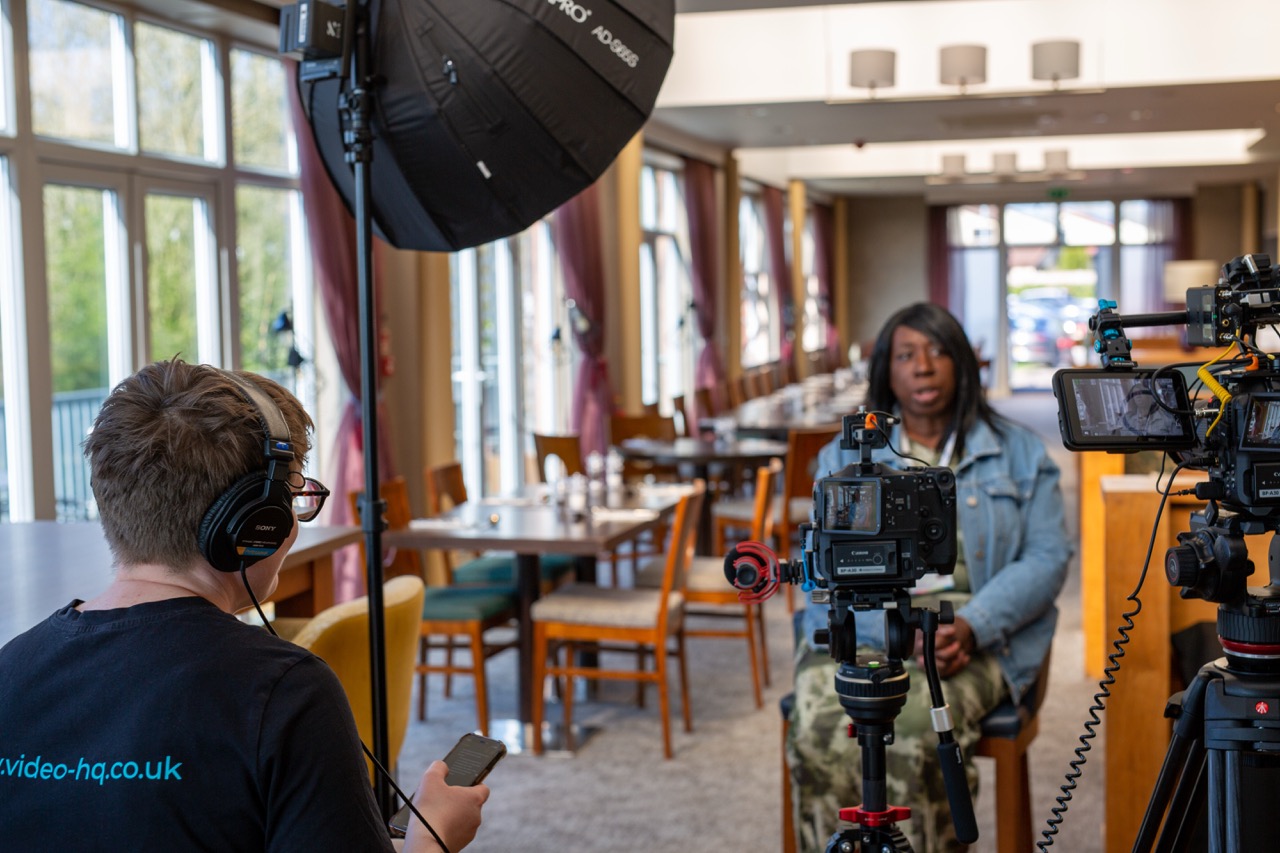
Whether interviewing your staff, volunteers or service users, our conversational interviewing skills naturally bring your story to life.
Audience focussed
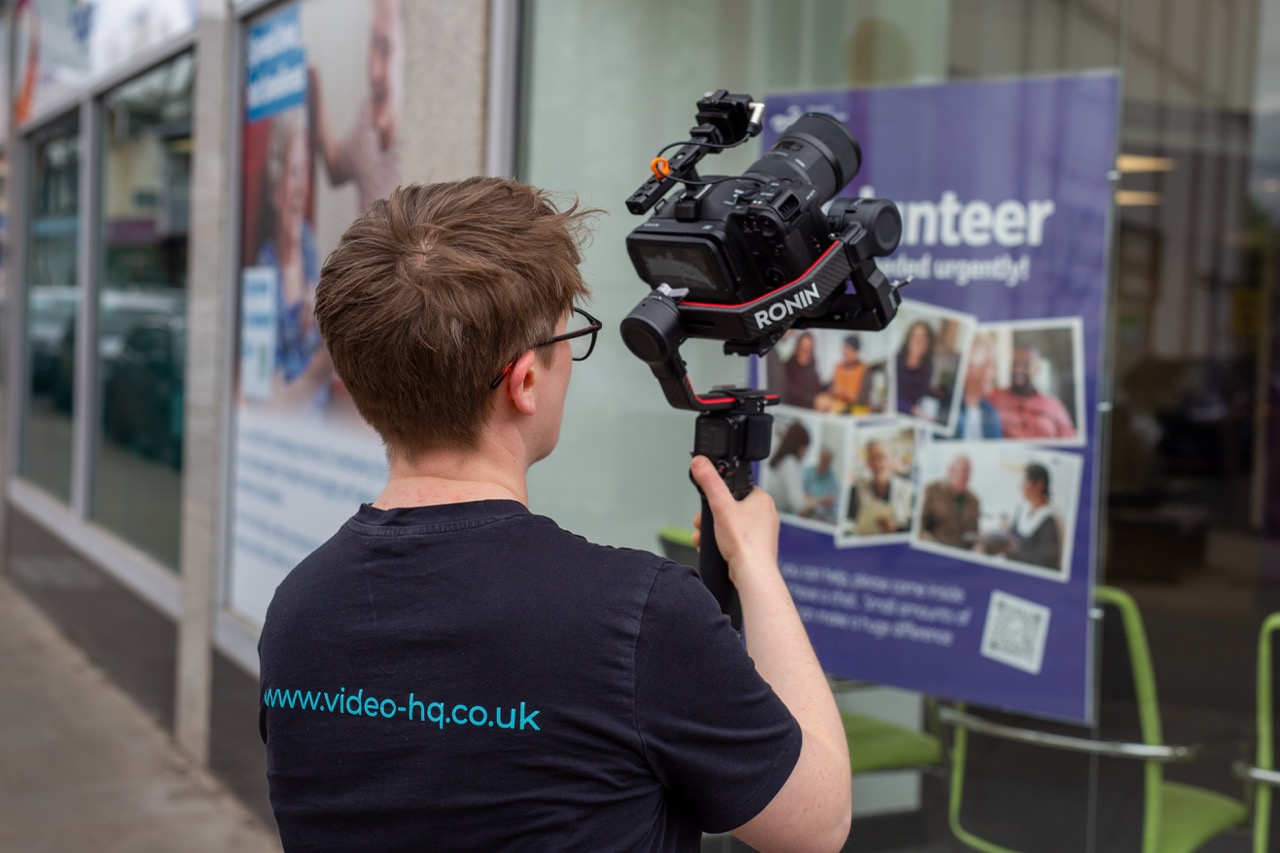
VideoHQ has journalistic roots, so everything is done with the target audience in mind.
Achieve your goals
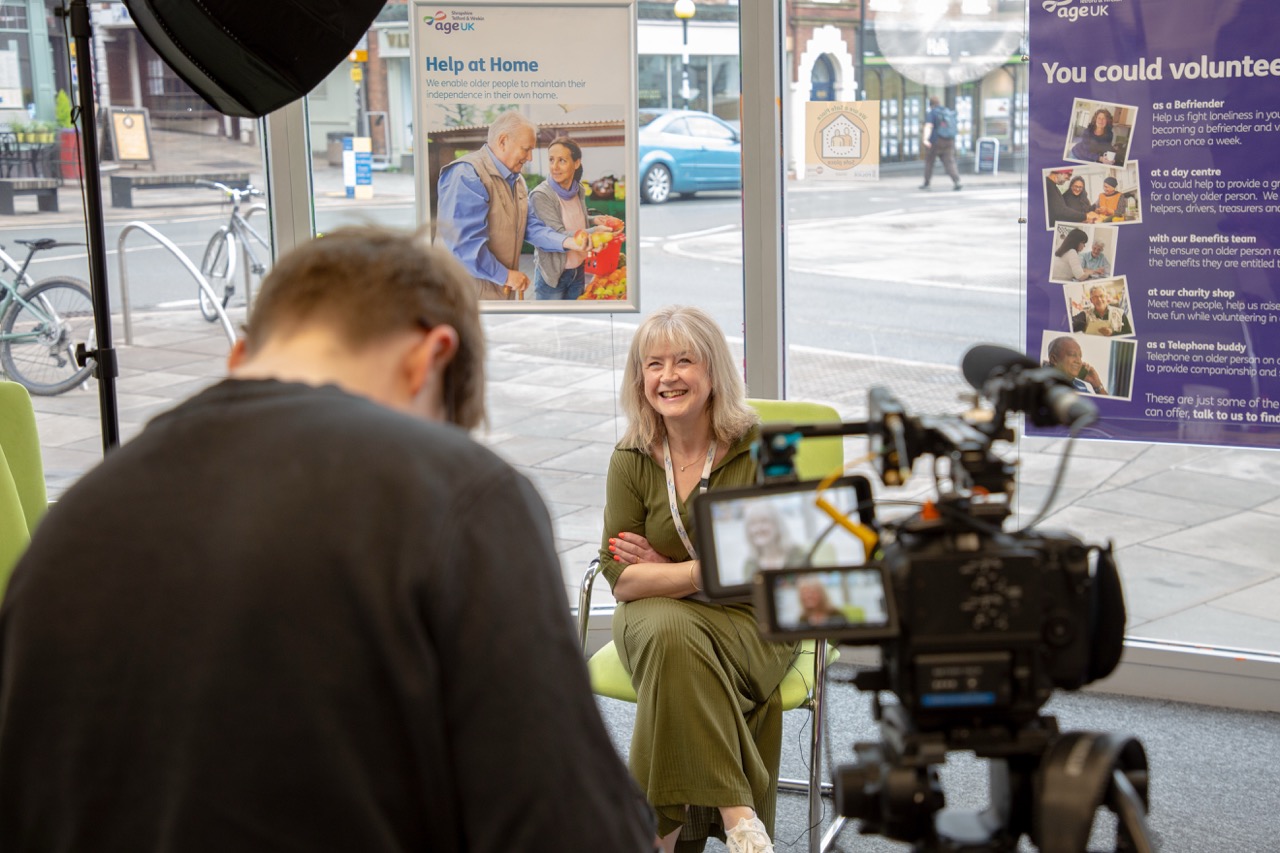
We’re not about making videos that look great but have no substance; our clients get both.
Video Services for charities and CICs
Fundraising appeal videos
Supercharge your fundraising campaign with a video that conveys your impact
When you’re launching a new fundraising appeal, it’s crucial that potential supporters immediately grasp why the issue matters, why your charity is uniquely equipped to take it on, and why their support – whether through donating, fundraising, or volunteering – can make a real difference.
A powerful fundraising appeal video delivers all of that in just minutes by bringing your message to life in a way that’s emotional, clear, and impossible to ignore. It can feature:
A fundraising campaign video can be used on your website, social media, and in-person at charity fundraising events.
Charity service user case study videos
Drive home the direct impact your charity has using testimonials from those you support
When someone’s thinking about donating to your charity, they want to know two things: where their money is going, and whether it will truly make a difference.
Charity case study videos featuring real service users are one of the most powerful ways to show exactly that.
They’re powerful, authentic, and emotional – building trust and ensuring potential supporters feel confident to support your cause.
Charity corporate partnership videos
Get more businesses to back your cause by emphasising what they get in return
Behind every strong charity stands businesses that believe in its mission. Corporate partners don’t just give money; from hosting fundraising events to rallying their employees, their support sparks generosity that stretches far beyond the office walls.
And if the business owner is really well-respected, they could be a influential voice for policy and social change.
A promotional video that highlights a corporate partner’s journey – why they chose to support you, the difference their involvement makes, and the pride they feel in being part of your mission – is a powerful way to earn the backing of other businesses.
Legacy fundraising videos
Encourage supporters to leave Gifts in their Wills through pledger story videos
Legacy Gifts are about more than donations – they’re about securing the long-term future of your charity. That’s why pledger case study videos can be such powerful tools within your Legacy Strategy.
Hearing real supporters share why they’ve chosen to remember your charity in their Will helps others see themselves in those stories. It takes what can feel like a daunting, complicated process and brings it back to something simple and human: the desire to leave a lasting impact.
These videos don’t just build trust, they reassure potential pledgers that their values can live on, shaping change for generations to come.
What’s more, supporter interviews can be transcribed and adapted for brochures, websites, and campaign materials, giving you versatile content to strengthen your legacy messaging.
At VideoHQ, we also edit the podcast of legacy fundraising consultant Sanita from Persuasion. Not only can we recommend her expertise on strategy, but we like to think we’ve picked up a thing or two about producing legacy fundraising content over the years too!
Fundraising film to raise money for charity
Many charities are difficult to explain in a few words, and that can be a significant barrier to raising money.
A professionally produced video can tell a rich, compelling story in just a few minutes. Your viewers are more likely to learn exactly what you do, who you help, and why you need funds.
Such a powerful video pitch is perfect for your website homepage and in-person fundraising events.
Let’s talk about creating your charity fundraising video.
Videos we have created for charities and CICs
Approach Dementia Support were launching a crowdfunder campaign to create a community garden, so we produced a powerful pitch featuring their staff, supporters and volunteers to encourage instant donations, and share the appeal more widely.
The Gingerbread Centre in Stoke provides support for families at risk of homelessness. They wanted case study videos with their service users to increase donations, and bust stereotypes about the people they support.
As part of their 75th anniversary fundraising appeal, Age UK Shropshire Telford & Wrekin wanted to tell the story of one of their most supportive corporate sponsors, the Telford Hotel & Spa, in order to encourage more businesses to engage with them.

Step 1: Discovery call
Share what you want the video content to achieve, and the key messages it needs to cover.

Step 2: Proposal
We’ll send across a bespoke proposal which outlines what videos we recommend for you.

Step 3: Pre-production meeting
We’ll develop the video ideas outlined in the proposal, and start actioning those plans.

Step 4: Final planning
We’ll have a final meeting to go over the filming day logistics to ensure everything runs smoothly.

Step 5: Filming
One or more days on-site filming with you to capture the footage.

Step 6: Editing
We’ll produce a first draft of the video for you to review.

Step 7: Revisions and approval
One round of revisions is included to allow you to make changes to the final video.

Step 8: Delivery
We can either provide detailed instructions on how to upload the videos, or we can manage that for you.
What charities have said about our work…
Staff at Shropshire organisation Partners in Care share what it was like working with VideoHQ to produce their case study videos.
From the first meeting, it was clear that Hannah was engaged with the brief and knew what we were looking for, asking important questions on the message we wanted to give.
We felt happy and confident to trust her with the filming and the interviews, and we are delighted with the professional results.
We used the video at our recent gala dinner event to a great response, and we’ll be using it going forward on our website and social media.
Paul Webster, Head of Charity at Approach Dementia Support
Hannah worked with me on a unique crowdfunding campaign for a Heaward Solutions client. She produced an amazing video that was crucial to the campaign’s success. During the video’s production Hannah went above and beyond the call of duty to ensure a fantastic result was achieved. I can’t recommend Hannah strongly enough.
Andrew Heaward, Heaward Solutions
Frequently Asked Questions
I can take two different approaches for drafting of case study interview questions. When a marketing manager already knows the interviewee inside out, I read through their drafted questions and make suggestions. But in most cases I pre-interview the contributor for them, and produce a video brief and questions list you can review and check that everything is being covered.
Generally there’s two pre-production meetings: one with yourself as my client, finding out what messaging you want for the case study; and one with the interviewee to explain the process.
Then there’s the filming day, after which you’ll receive a first draft of the video (s). There’s then a round of revisions included to make any changes before you send to your client, and then another round of revisions if they want to make any changes to it.
After that I subtitle the videos, produce a video thumbnail, and help you get it onto your chosen platforms.
Generally my case study video packages include a main version of the video (around 2-3 minutes) which tells the full story of the project. I also produce some shorter social media clips, as well as subtitles and thumbnails for the videos.
But let me know if there’s something else you require; in the past, I’ve also produced interview transcripts, professional edited photography, and b-roll footage libraries.
Depending on logistics, case study videos are turned around in about 4-8 weeks – and can be faster if everyone is really engaged in the process. The part which can add time is finding a filming date which works for everyone. But once you’ve got that, I normally deliver a first draft in about two weeks, and work on any requested amends to videos very quickly.
You’ll want to see some examples of their previous case study video work. As well as making sure the video and audio quality are solid, does it feel like the video tells a good story? You’ll be trusting the videographer to select the best clips from the interview as part of the editing process, so you need to trust they’ll make the right content decisions.
Also ask them about their revisions process (I include two full rounds of revisions) and their standard turnaround time for a first draft (mine is around two weeks from filming, but that may vary at busier times of the year).
It changes my approach in two key areas: the focus on the audience, and putting contributors at ease. The audience is at the heart of every journalistic decision, from what stories you cover to how you present them. So when I’m producing videos for my clients, one of the first questions I ask is ‘who is your audience, and how are you currently reaching them?’ My videos are fully focussed on getting your specific audience to take the actions you want them to after watching the video.
Secondly, I know most people feel uncomfortable on camera. When I was a journalist at BBC Radio Stoke and BBC Radio Shropshire, I had to walk up to people on the street and quickly get them on board with speaking to me and contributing to a radio programme. When producing case study videos I work hard to explain the process, relax contributors, and create a conversational interview experience which helps them to tell their story.
You want the answers to be descriptive – no ‘yes’ or ‘no’ responses!
When I was a BBC journalist, I was taught a system called TED – ‘Tell, Explain, Describe’ – these are great verbs to kick off an interview question which naturally leads to more detailed responses.
Absolutely! Many of the videos I produce are to be played to a crowd of people – whether that be at a conference, or a large charity fundraising event.
When I know this is the intended use, I create a version of the final video which has subtitles burned in (in your brand colours and font, of course).
This ensures that no matter what the speaker quality is like on the day, your message still comes across clearly.
You’ll also get a version of the video without subtitles which you can use on your website.
I find that giving interview questions to the client before the shoot can make them over prepare, and come across quite wooden and scripted. The best approach is to pre-interview them and generally ask them about the topic, so they get a feel for the interview angle. This makes the actual filmed interview more conversational.
Generally around an hour: the amount of time I spend on-site, and the amount of time I need the client present are two different things, and I work hard to minimise disruption to their day.
It normally takes around 45 minutes for me to set up the filming equipment, during this time the client can be doing their own work. The interview itself takes around half an hour, and then it’s good to have some time to film action ‘b-roll’ which helps to illustrate the story.
Generally my case study video projects cost around £2000 – £3500 (no VAT to pay), and this varies depending on travel costs and final outputs required.
It obviously varies depending on the scope of the videos you’re looking to produce, but I think you should start conversations about charity fundraising appeal videos at least three months in advance of the campaign launch date.
There might be one-off events happening in the run up to the appeal which you want to capture, or there might be people you want to interview for the video who have limited availability.
Additionally, there may be some parts of the videos, such as case study interviews with vulnerable service users, which require a longer approval process.
Giving yourself at least three months to produce your campaign video means you’ve got plenty of time to overcome any obstacles.
As a former BBC journalist, in my experience it’s all about making the interview conversational. Don’t give them the questions in advance as they’ll likely over prepare. Keep great eye contact (don’t just keep looking at your next question), and ask them follow up questions about points they’ve mentioned.
Firstly, if you’ve got a great relationship with your client, you might be surprised by just how willing people are to help you out!
But the key is to get the timing right (don’t ask when they’re busy) and make it as easy as possible for them to feature – like sending out a professional videographer who’ll make it a simple and relaxed experience for them.
I’ve written a blog about how to ask a client to do a video testimonial, which includes an email template for asking your client to do you a video testimonial.
I understand that sometimes there’s serious trust and safeguarding concerns to overcome when arranging case study interviews with vulnerable charity service users.
I’ve got many years of experience as a BBC journalist, so not only am I adept at making people feel comfortable on camera, but I understand the delicacy required in these situations.
I’m also enhanced DBS checked, and this can be provided in advance.
It’s best to do some sort of a pre-interview with the interviewee, whether that’s in-person, over-the-phone or on a video call. Chatting about the video topics in advance helps put them at ease about what you’ll be asking, whilst giving you an idea of what they have to say.
I regularly conduct pre-interviews on behalf of my client.
As part of working together, I can provide transcripts of the raw case study interviews we conduct with your service users.
That way, you’ve got a wealth of different quotes you can use in your other fundraising materials and grant applications – rather than just the best quotes which make it into the final video.
Got any questions?
Get in touch with your questions and we will come back to you as soon as we can.